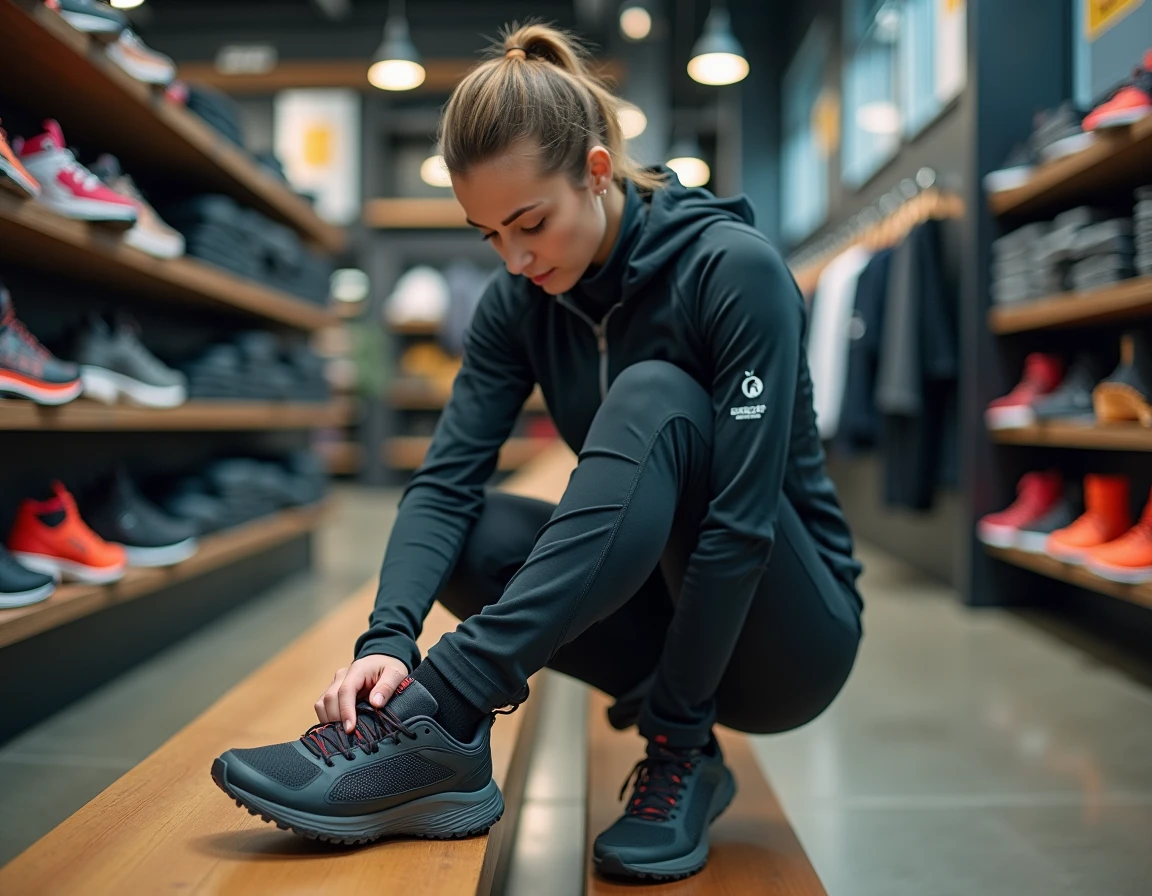
A runner who has been experiencing shin splints for three months changes insoles, stride, and training volume, while the problem often stems from a pair of shoes unsuitable for their biomechanics. Sports equipment influences performance just as much as the training program, but it is often chosen out of habit or price. Understanding what makes the difference between suitable equipment and generic equipment can help avoid weeks of stagnation or injury.
Sports Shoes: The First Filter of Performance
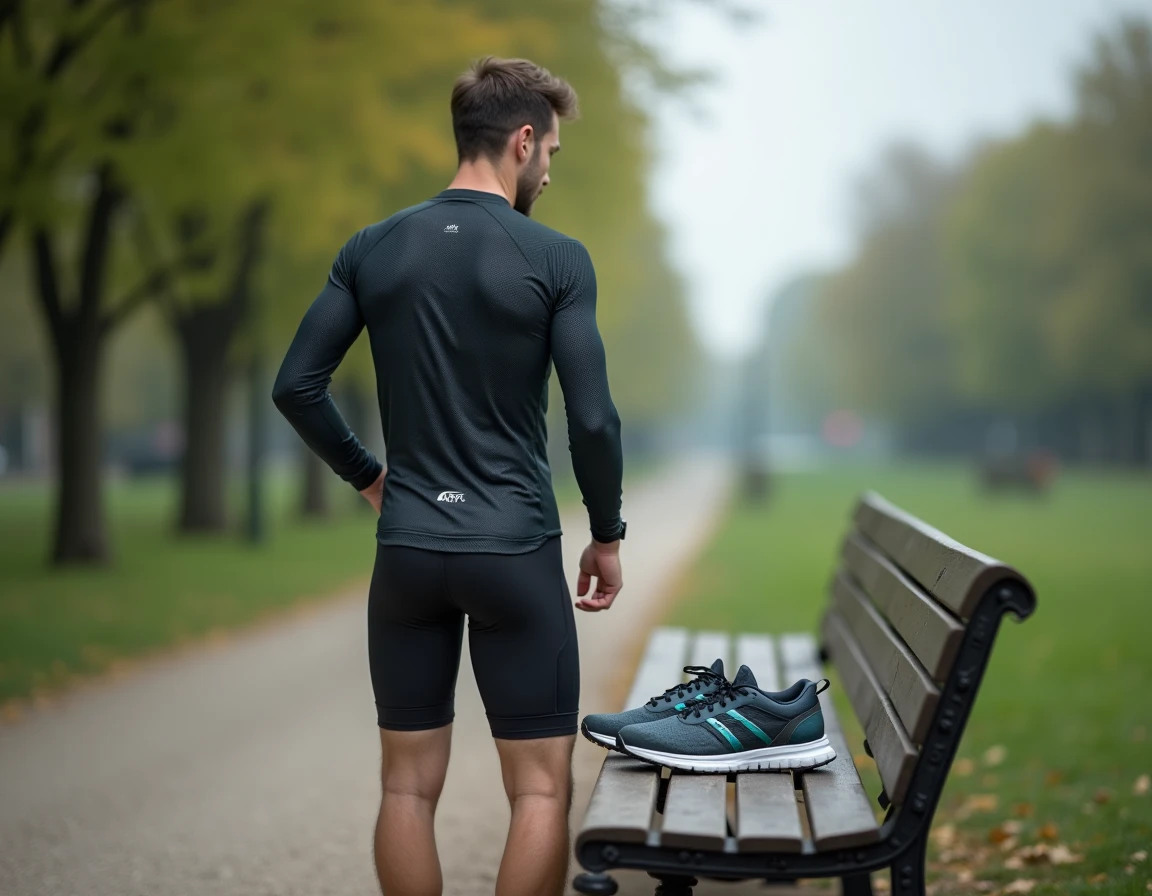
The shoe concentrates the majority of equipment errors, regardless of the sport. One buys a size, a color, a model seen on an influencer. The problem begins as soon as the first slightly long session.
What matters first is the match between the shoe and the type of demand. A road runner does not need the same cushioning as a trail runner who tackles elevation changes on soft terrain. A clay court tennis player needs a wide herringbone sole to grip the surface, while a hard court player wants more heel absorption.
- The shape of the foot (forefoot width, arch height) determines the shoe volume, not the brand. Some brands fit narrow, others wide, and trying on shoes at the end of the day (when the foot has slightly swollen) remains the most reliable method.
- The drop (difference in height between heel and forefoot) influences running posture. A high drop suits heel strikers, while a low drop suits midfoot runners, but making a sudden switch from a high drop to a low drop can cause injuries.
- The cushioning must correspond to the weight of the practitioner and the targeted distance. Too soft cushioning on short, fast sessions absorbs propulsion energy, while firm cushioning on a long run tires the joints.
To discover equipment on Carnet de Sportive, there are selections filtered by discipline and level, which helps narrow down options before trying them on in-store.
Technical Clothing: How Comfort Affects Endurance
We underestimate how much poor textiles degrade performance during a long session. A cotton t-shirt that absorbs sweat weighs down the torso, creates friction in the armpits, and disrupts thermal regulation. In winter, the problem worsens: wet cotton cools the body much faster than synthetic textiles.
The choice of textile is made based on moisture management, not price. Synthetic fibers (polyester, polyamide) or blends with merino wool wick sweat away from the fabric. Merino wool has the advantage of limiting odors over multiple sessions, which is important for back-to-back workouts while traveling or at training camps.
Layering for Outdoor Activities
The three-layer system (breathable base, insulating layer, waterproof layer) works for hiking, winter trail running, or cross-country skiing. One adjusts by removing or adding the middle layer according to intensity.
A common mistake is to buy a waterproof jacket without sufficient breathability. You end up soaked from the inside after twenty minutes of sustained effort. Feedback on this point varies by brand, but the breathability of the garment takes precedence over its waterproofing for endurance sports.
Performance Tracking: GPS Watch or Smartphone
For a few years now, the question has really arisen: should you invest in a connected watch or use your smartphone with a tracking app? Both options provide access to basic data (distance, speed, heart rate with an external sensor).
The smartphone offers decent GPS accuracy for tracking speed and distance, and recent batteries last through long outings without interruption. However, running with a phone in hand or in an armband is less comfortable than having a free wrist.
The GPS watch allows real-time data consultation without interrupting the athletic motion. For a swimmer, it’s the only realistic option. For a cyclist, a dedicated handlebar computer remains more readable, but the watch serves as a backup and records heart rate at the wrist.
Concrete Selection Criteria
- If you practice only one land sport (running, walking, hiking), the smartphone with a Bluetooth heart rate belt covers most needs without heavy investment.
- If you alternate swimming, cycling, and running, the multisport watch becomes the central tool because it tracks metrics specific to each discipline (number of laps, pedaling cadence, running pace).
- If you seek daily recovery tracking (heart rate variability, sleep quality), the continuously worn watch provides data that the smartphone does not capture.
Adapting Equipment to Athletic Progress
Beginner equipment is not meant to last an entire athletic career. Buying high-end gear right from the first month often means paying for features that you do not yet know how to utilize. A very stiff tennis racket in the hands of a beginner causes more vibrations in the elbow than a more forgiving racket.
The right reflex is to renew equipment when the level of practice exceeds the capabilities of the gear. This is detected by concrete signs: the cushioning of the shoe compresses after several hundred kilometers, the textile loses its moisture-wicking properties after many washes, the racket no longer responds to the spins you are starting to master.
Manufacturers are heavily investing in ergonomic design to reduce joint strain. This trend, documented by Fortune Business Insights in a 2024 report on the global sports equipment market, confirms that the demand for more protective gear is increasing in response to the rise in injury rates associated with practice. Choosing recent equipment also means benefiting from these advancements in prevention.
The last point to keep in mind: no equipment compensates for poor technical form or an unsuitable training volume. Equipment optimizes what the body already knows how to do. Starting by adjusting the shoes, checking the textiles, choosing your tracking tool, and then upgrading as you progress remains the most cost-effective sequence for both performance and budget.