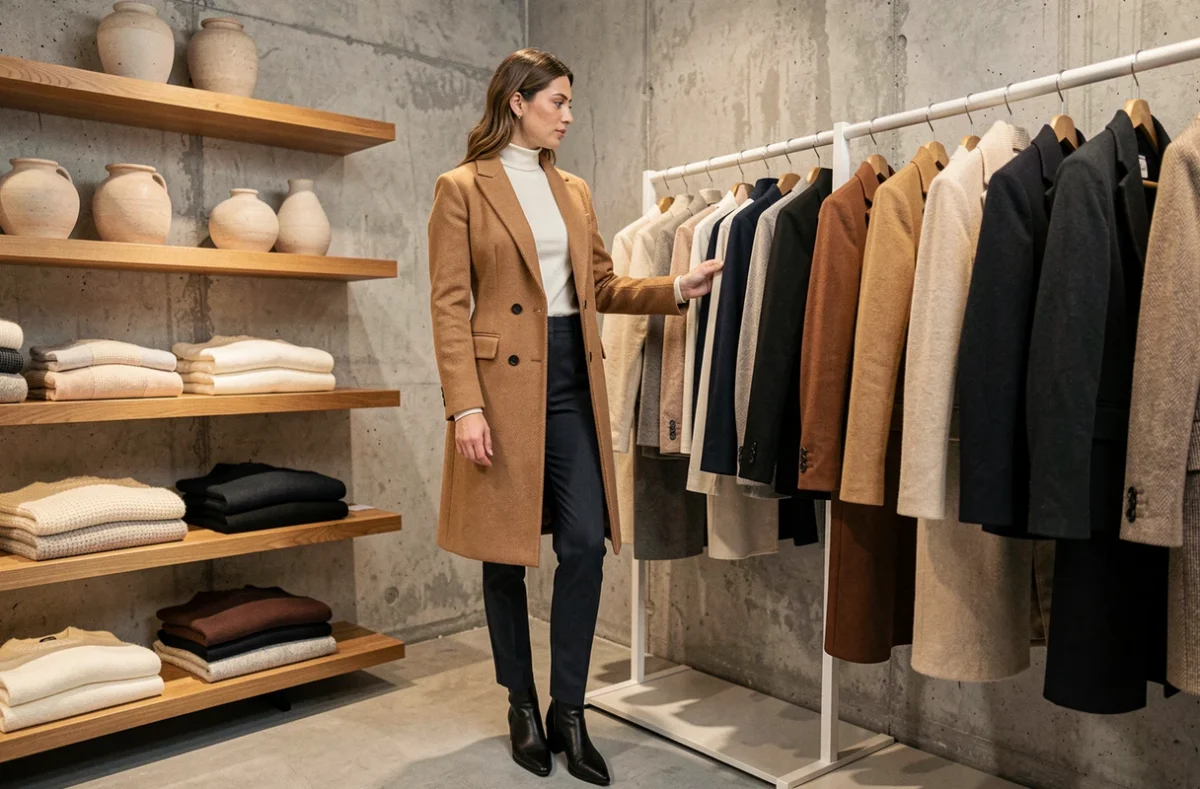
Fashion trends are no longer just a list of items to buy each season. Since the summer of 2026, the French regulatory framework has changed the game: law n° 2026-602 of July 8, 2026, directly targets ultra-fast fashion, and an environmental textile penalty came into effect on September 1, 2026. These developments significantly alter the cost of rapid clothing renewal and encourage a rethink of how to build a stylish look throughout the year.
Textile penalty and anti-fast fashion law: what changes for clothing prices
Law n° 2026-602 defines ultra-fast fashion by two combined criteria: a high number of new references launched on the market and a low incentive to repair. The text targets new clothing, shoes, and textile items. Thrift stores, resale platforms, and second-hand dealers are explicitly excluded.
The environmental textile penalty applied since September 1, 2026 is adjusted according to a score related to the range width and the incentive to repair. Its proceeds fund collection, reuse, repair, and recycling. In practice, this means that the relative price of new items from massive catalogs increases compared to second-hand and brands with a limited range.
For those looking to stay stylish all year round, this regulatory data weighs heavily: buying fewer new pieces but better chosen, or turning to second-hand, helps avoid the extra cost associated with the penalty while creating a coherent wardrobe. Those who wish to keep up with fashion news throughout the seasons can visit the site modebys.fr to spot pieces worth checking out.
Second-hand and repair: an underestimated fashion lever
Second-hand benefits from an explicit regulatory advantage over ultra-fast new items. Resale platforms and thrift stores are not subject to the penalty mechanism. Building an annual look from second-hand clothing thus becomes a budget strategy, not just an ecological gesture.
Repair, long seen as an outdated economic reflex, takes on a new meaning. The regulatory framework now encourages brands to facilitate the repair of their products, under penalty of seeing their environmental score deteriorate. In practical terms, a pair of jeans with a loose seam or a coat with a torn lining deserves a trip to a tailor before being replaced.
The fashion interest is real: a vintage piece tailored to the right size often has more character than a standardized new equivalent. Older materials (heavy wool, thick cotton, patinated leather) age better than fast-fashion synthetic fabrics.
Building a four-season wardrobe without multiplying purchases
The logic of a stylish look all year round relies less on accumulation than on compatibility between pieces. A few concrete criteria allow for sorting:
- Seasonal versatility: lightweight wool trousers transition from autumn to spring with a simple change of top layer. A well-cut pair of jeans works twelve months a year.
- The chromatic neutrality of the base: basic pieces (trousers, jackets, shoes) in neutral tones accept any print or strong color on top or as an accessory.
- Materials that withstand several seasons of wear: prioritizing dense weights and natural fibers reduces the need for replacement and improves the drape over time.
- Adaptability to body shape rather than trend: a silhouette that matches its stature remains elegant regardless of passing fashions.
This approach does not mean giving up on trends. It involves limiting purchases of pure trend items to one or two pieces per season (a spring-printed dress, an oversized sweater for winter) and integrating them into a stable wardrobe base.
Trendy autumn-winter pieces versus durable pieces
The boundary between the two categories is rarely clear. A long wool coat follows the trend of oversized silhouettes while remaining wearable for several years. In contrast, a jacket with a very pronounced pattern risks looking dated by the following season.
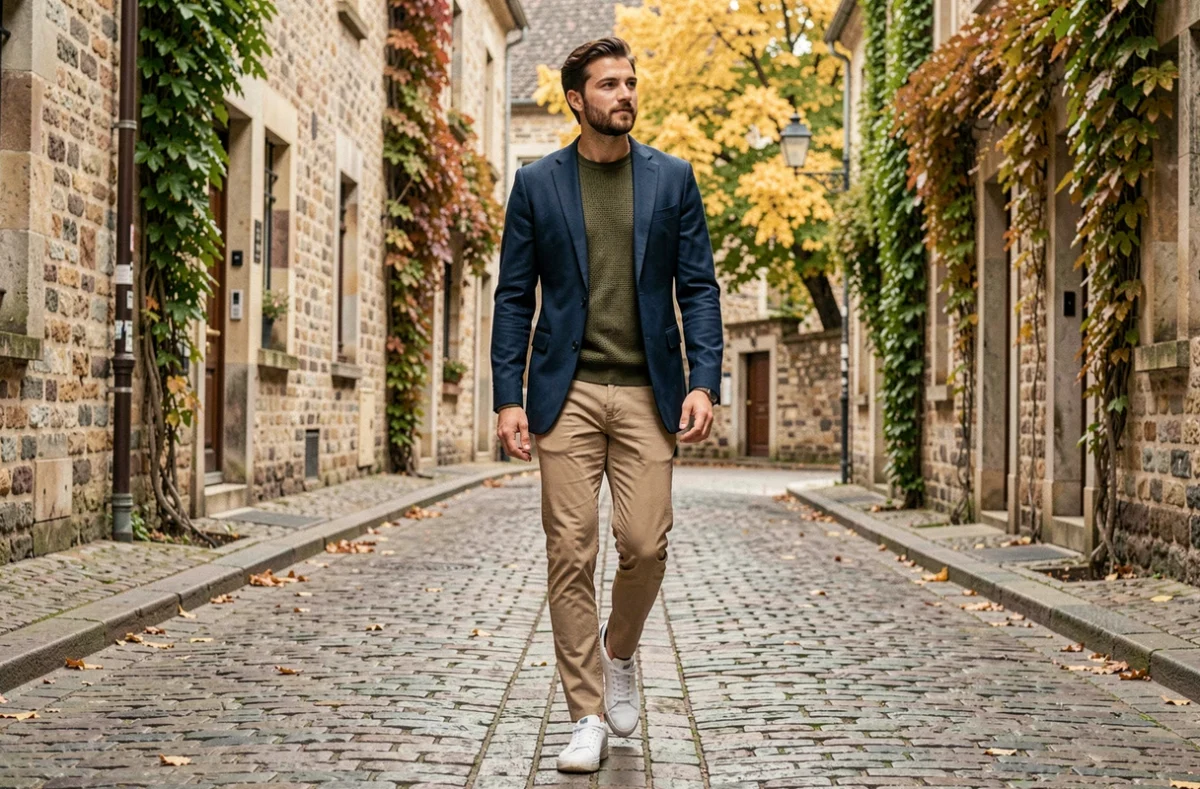
It’s better to invest in cut than in pattern. A well-structured blazer lasts through the years. A print closely associated with a specific collection has a limited lifespan in the wardrobe.
Adapting your look to the seasons without buying everything new
The transition from one season to another does not require overhauling your wardrobe. A few adjustments are sufficient:
In winter, layering (t-shirt, sweater, jacket) creates visual depth without multiplying pieces. The choice of accessories makes the difference between an autumn look and a winter look: a thick scarf, knitted beanie, leather gloves change the interpretation of an identical outfit.
In spring, lightening the silhouette involves removing a layer, not buying a new one. The same jacket worn open over a simple t-shirt gives a very different result from the buttoned version with a scarf in January.

In summer, lightweight natural materials (linen, airy cotton) allow for a polished look without suffering from the heat. A flowing fabric dress remains a versatile option, adaptable from the office to an evening out depending on the chosen accessories.
The role of body shape in seasonal choices
Fashion guides often talk about trends without specifying that their effect directly depends on body shape. A very trendy wide pant can elongate a tall silhouette and slim a medium silhouette, but produce the opposite effect on a short person if the length is not adjusted.
Adapting the trend to your body shape rather than the other way around remains the most reliable principle for a successful look all year round. Alterations (hem, tailoring) are inexpensive and transform the drape of a standard-purchased piece.
The framework established by the anti-fast fashion law and the textile penalty makes these choices even more relevant: each piece kept and adjusted is one that escapes the cycle of rapid replacement. The most stylish wardrobe is not the one that follows every micro-trend, but the one where each element has been chosen to last and combine with the rest.