
Choosing a route around the world is not just about stacking destinations on a map. Administrative, health, and budget constraints vary depending on the order of the stops, and some formalities depend on the country visited just before. Traveling around the world therefore requires a careful reading of entry conditions, country by country, even before dreaming of the landscapes.
Entry formalities and health requirements by geographical area
Destination lists often obscure a crucial point: entry conditions change based on the previous itinerary. A French traveler arriving in Costa Rica after a stay in a yellow fever risk area will need to present a vaccination certificate, whereas this requirement does not apply to a direct flight from Paris. The Ministry of Europe and Foreign Affairs specifies this in its country sheets updated in September 2026.
Panama illustrates another common pitfall. French travelers can enter without a visa, but the country requires a passport valid for at least three months upon arrival, recommends six months, and may ask for a return ticket as well as proof of financial resources. These details are not included in any general selection of destinations for a round-the-world trip.
Building a coherent itinerary means checking each step in the actual order of the journey. A useful resource for cross-referencing inspirations and field feedback remains leblogdevoyage.fr, which documents lived experiences with their practical constraints.
| Area | Common Constraint | Point of Caution |
|---|---|---|
| Southeast Asia | Visa on arrival or e-visa | Limited stay duration, often renewable only once |
| Central America | Passport 6 months, return ticket | Proof of resources sometimes required (Panama) |
| Southern Africa | Yellow fever vaccine if transiting through an endemic area | Health formalities related to the previous stop |
| Europe (Schengen) | Free movement for EU nationals | Limit of 90 days in 180 for non-residents outside the EU |
Overtourism and quotas: a criterion that modifies itineraries
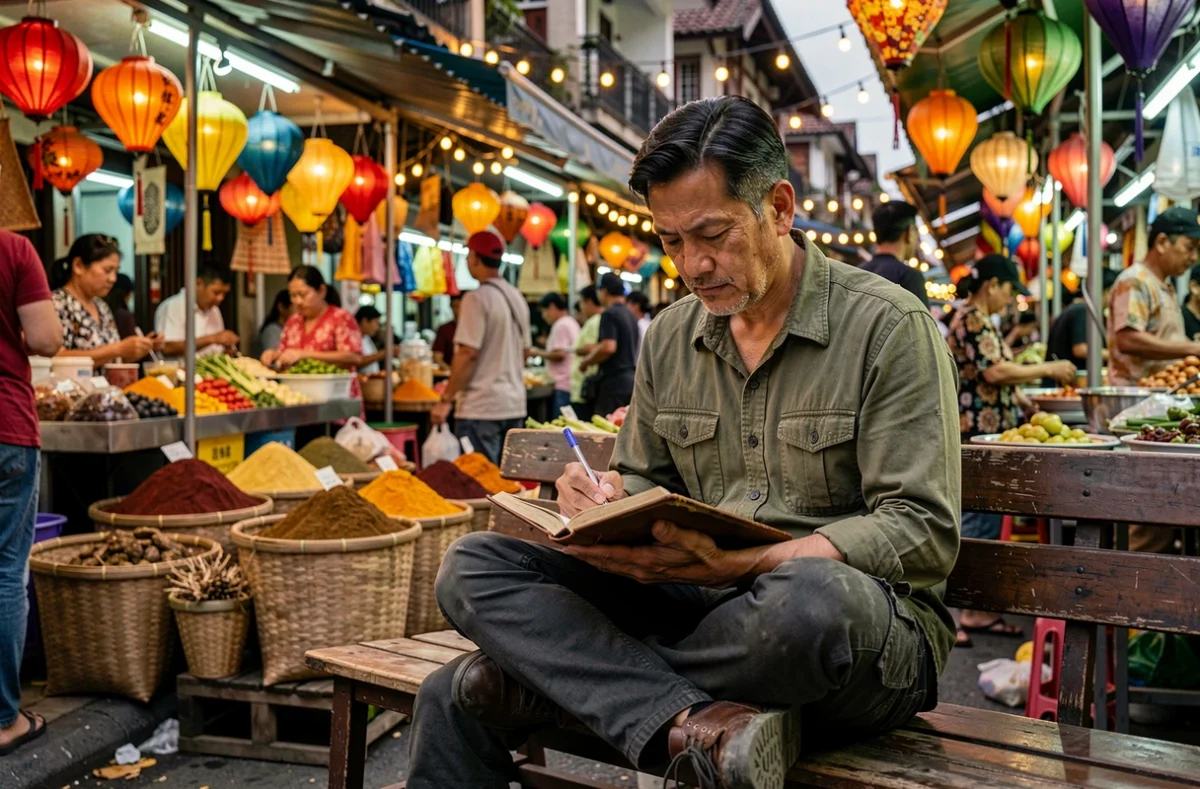
Overtourism is no longer a theoretical debate. Several popular destinations are now testing visitor quotas, time slots for visits, tourist taxes, or temporary site closures. Japan is particularly affected, with measures applied in Tokyo, Kyoto, Osaka, and around Mount Fuji.
For a round-the-world trip, this trend has a direct consequence on planning. Booking a time slot for a visit in Kyoto or paying an additional entry tax in Venice alters the budget and schedule. Ignoring these constraints means discovering on-site that a site is closed or overcrowded.
Adapting the route to off-peak periods
Asia is among the most visited continents during a round-the-world trip. Shifting Asian stops outside of peak tourist seasons (avoiding December-January in Japan, for example) reduces exposure to quotas and inflated prices.
In contrast, some destinations in South America or Southern Africa remain significantly less affected by these measures. Including Namibia or Peru in an itinerary allows for a combination of high-density tourist areas with stops where pressure remains low.
Travel insurance and medical expenses: the invisible budget item
Hospitalization costs abroad can reach amounts unrelated to French rates. The Ministry of Foreign Affairs reminds that these costs are very high in many countries and that medical insurance covering repatriation is strongly recommended.
This item is often absent from travelers’ projected budgets. Hospitalization in the United States or Japan without adequate coverage can represent several months’ salary. For a round-the-world trip lasting several weeks, the cumulative duration of exposure mechanically increases the risk.
What a round-the-world insurance should cover
- Medical expenses and hospitalization in each country of the itinerary, including countries with high healthcare costs like the United States or Japan
- Medical repatriation to France, regardless of geographical location at the time of the incident
- Liability abroad, often required for certain activities (diving, high-altitude trekking)
- Trip cancellation and interruption, covering remaining stops in case of a medical or family emergency
Checking that the insurance policy covers the total duration of the stay is a reflex to have before departure. Some contracts cap coverage at 90 days, which is insufficient for a classic round-the-world trip.

Round-the-world travel budget: the disparities between geographical areas
The daily cost of a trip varies significantly depending on the regions traversed. Southeast Asia remains the most accessible area for budget travelers, while Western Europe, North America, and Japan represent the most expensive stops.
The time spent in each area weighs more than the number of countries visited. Three weeks in Thailand cost less than ten days in Tokyo. An itinerary around the world that alternates accessible areas with expensive ones allows for smoothing the overall budget without giving up major destinations.
Plane tickets and itinerary logic
Round-the-world tickets offered by airline alliances generally require traveling in one direction (east-west or west-east) without going back. The direction of travel directly influences flight prices and the fluidity of connections. The east-west direction remains the most common among French-speaking travelers.
Each backtrack or cross-route (north-south along the way) incurs a significant additional cost. Planning stops in a logically geographic order, limiting internal flights to routes that ground transport cannot cover, remains the most effective method for controlling this expense.
A well-constructed round-the-world trip is not judged by the number of countries checked off on a map, but by the coherence between administrative, health, and budgetary steps. Checking formalities in the actual order of the journey, anticipating areas subject to quotas, and taking out insurance suitable for the total duration of the stay are the three decisions that separate a viable itinerary from a list of destinations.