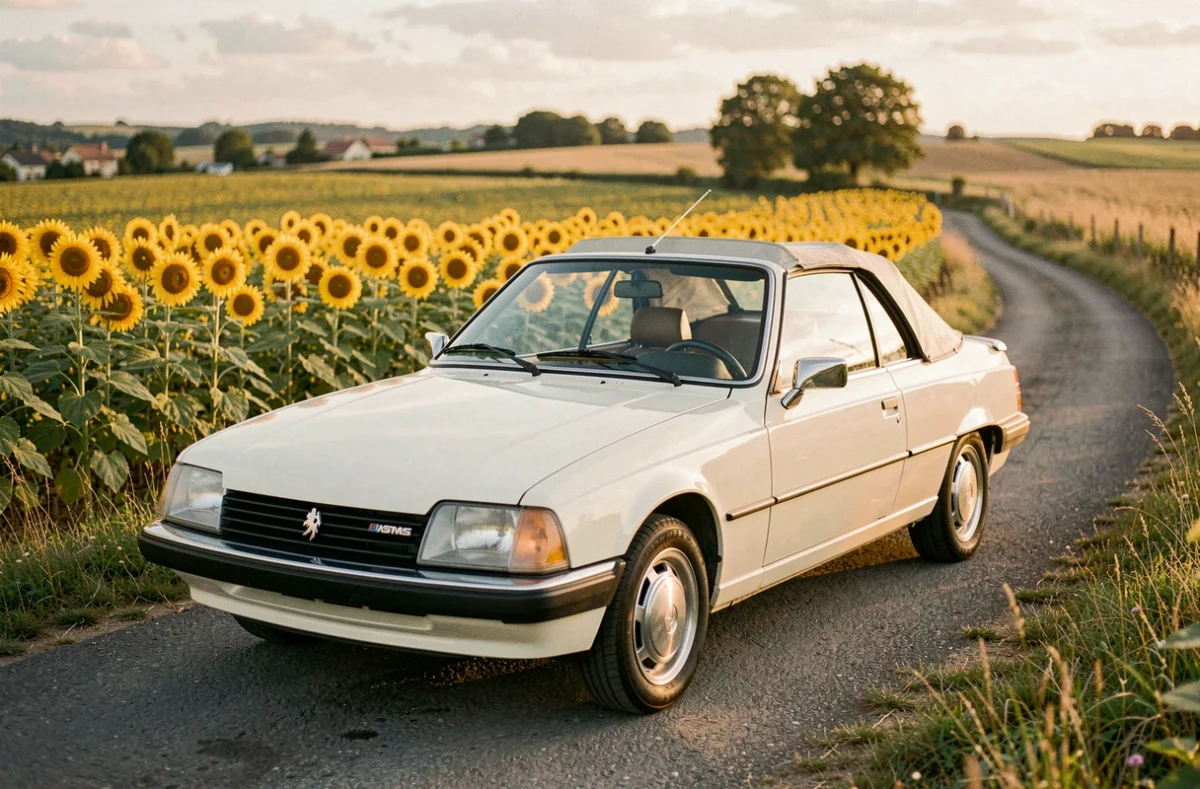
The Peugeot 305 was never produced in a factory cabriolet version. Peugeot marketed this model only as a sedan and station wagon starting from the late 1970s. The convertible examples we encounter today are therefore handcrafted transformations or prototypes, which radically changes the perspective for a buyer. Here are five concrete reasons that make this atypical car particularly interesting to acquire now.
1. A mechanical rarity that still escapes the speculative market
The Peugeot 305 remains one of the great forgotten cars of the French automotive collection. While the 205 GTI or the 504 coupe have seen their values soar, the 305 maintains modest entry prices. A version transformed into a convertible takes this logic even further: the number of existing examples can probably be counted on one hand.
This rarity does not guarantee automatic appreciation. The value depends on the quality of the transformation, the traceability of the parts, and the condition of the bodywork. A well-documented example, with a clear conversion history, represents a collectible piece that has not yet been caught up by the speculation surrounding more publicized models.
To understand in detail why to choose the Peugeot 305 convertible, one must first accept that we are entering a segment where the authenticity of the bodywork takes precedence over the factory badge.
2. A Peugeot gasoline engine known for its longevity
The mechanical base of the 305 relies on proven engine blocks. The gasoline versions, particularly the 1.5-liter, share a simple architecture, without complex electronics. This design facilitates routine maintenance and limits breakdowns related to sensors or hard-to-find controllers.
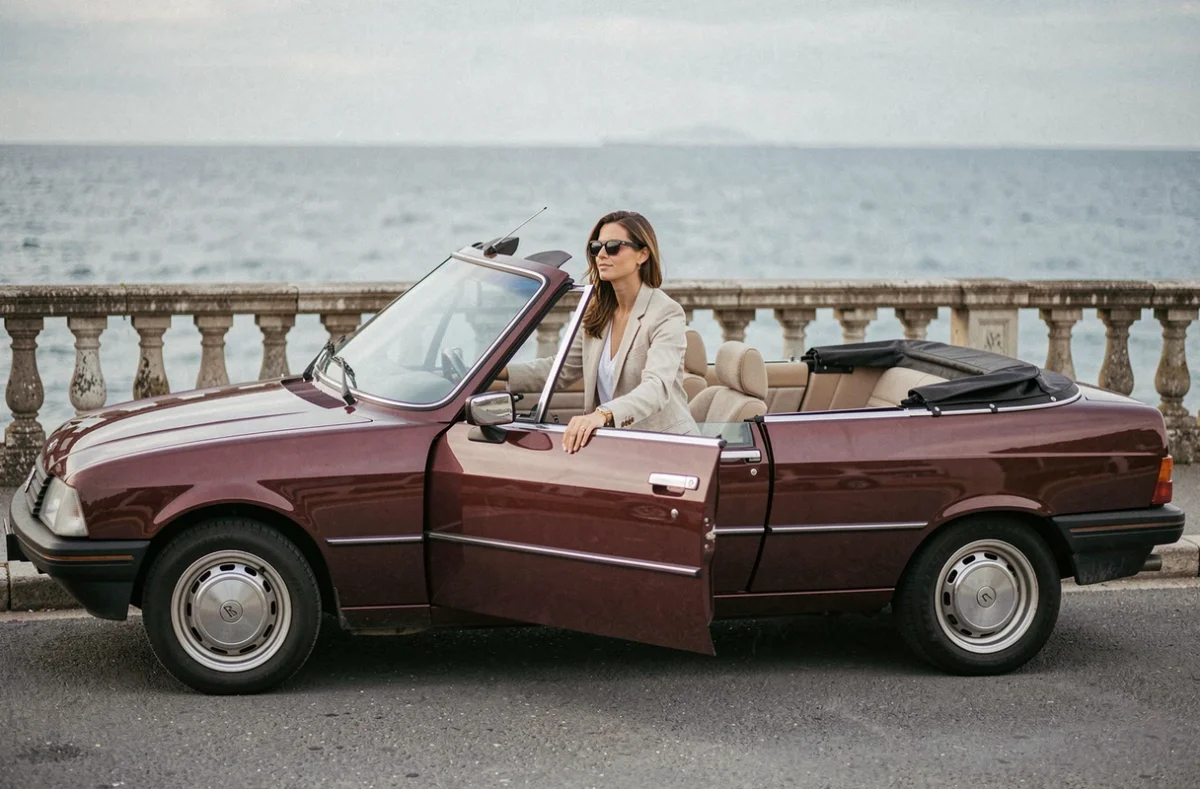
On a handcrafted convertible, the original mechanics are often kept intact. This is a direct advantage: the engine parts remain compatible with the standard 305 catalog. Filters, belts, head gaskets, clutch kits: the supply comes from the networks of spare parts for classic French cars, without resorting to custom manufacturing.
The robust and straightforward manual gearbox complements an engine setup that requires only regular preventive maintenance to run smoothly.
3. Potential access to classic vehicle registration and its benefits
Any vehicle over thirty years old can qualify for classic vehicle registration, provided it meets certain criteria. The FFVE (French Federation of Vintage Vehicles) oversees the process, which notably requires the preservation of original technical characteristics.
This is where the convertible nature of the 305 raises a specific technical question. A significant transformation of the bodywork may compromise eligibility for this registration. Before any purchase, it is essential to check:
- The complete history of the conversion (body shop, date, nature of structural modifications)
- The compliance of the chassis with the original data recorded on the registration
- The opinion of a technical inspector familiar with modified vintage vehicles
If classic registration is obtained, it opens the door to often less expensive auto insurance. However, access to low-emission zones is not guaranteed: exemptions for classic vehicles vary from one municipality to another. Each community sets its own rules.
4. A body line rediscovered in the open air
The original sedan displays balanced proportions, with a low beltline and smooth surfaces characteristic of French automotive style from the late 1970s.
Removing the hardtop reveals these lines from an angle that the design office did not anticipate. The result obviously depends on the care taken in the cutting and reinforcement of the body. On successful conversions, the low profile of the 305 gives a compact and discreet convertible, very different from the massive silhouettes of current SUVs.
It is this sobriety that attracts some collectors: a car that does not seek to impress but stands out for its clean design. At vintage vehicle gatherings, a 305 convertible draws attention precisely because no one expects to see one.
5. An acquisition and maintenance cost still very accessible
Compared to more publicized French classic convertibles (Peugeot 504 convertible, Citroën DS convertible), the transformed 305 remains in a low price range. The absence of an official value for this type of conversion works in favor of the buyer, provided they know how to assess the quality of the work done.
Routine maintenance relies on standard mechanical parts from the Peugeot 305 range. The specific elements related to the conversion (soft top, body reinforcements, sealing joints) may, however, require custom work. Here are the items to budget for:
- Soft top: replacement or refurbishment by a specialized upholsterer, to be planned according to the condition of the fabric
- Sealing: windshield and door seals adapted to the open configuration
- Structure: regular checking of the reinforcements added during the conversion to compensate for lost rigidity
The most expensive item remains the bodywork. Corrosion progresses faster on an open vehicle, especially around the wheel arches and sills. A thorough visual inspection before purchase, ideally on a lift, avoids unpleasant surprises.
The Peugeot 305 convertible is not an ordinary car purchase. It is an atypical collectible car, born from a transformation work on a reliable and undervalued mechanical base. For a passionate buyer willing to verify the conversion history and accept the constraints of a modified vehicle, it offers access to open-air driving at a price that classic factory convertibles no longer offer.