The French textile sector is approaching spring-summer 2026 with several parameters to manage simultaneously. Oversized silhouettes continue their progression on runways and in shop windows, quiet luxury blends with streetwear in customer demands, and regulations on microplastics come into effect in July 2026. These three simultaneous movements redefine what “following the trend” means in practice, including for bodies that fashion often forgets.
Microplastics Regulation and Spring-Summer 2026 Fashion Trends: What Changes in July
Decree No. 2025-1123 of December 15, 2025, published in the Official Journal, imposes a gradual ban on microplastics in new clothing starting in July 2026. Synthetic finishes, heat-bonded coatings, and certain water-repellent treatments are directly affected.
For brands offering key pieces of the season, the timing is unfortunate. Spring-summer collections are designed several months in advance, and the technical fabrics used in sportswear cuts or lightweight jackets often rely on synthetic blends. Circular design remains marginal in mass production, and compliance requires sourcing adjustments that few brands had anticipated.
In practice, this means that some trendy pieces available at the beginning of spring may no longer be compliant after summer. To explore current styles while considering this evolution, the fashion selection on 42 Le Mag allows for spotting updated inspirations.
Quiet Luxury and Streetwear: The Hybrid Style Dominating Fashion Weeks
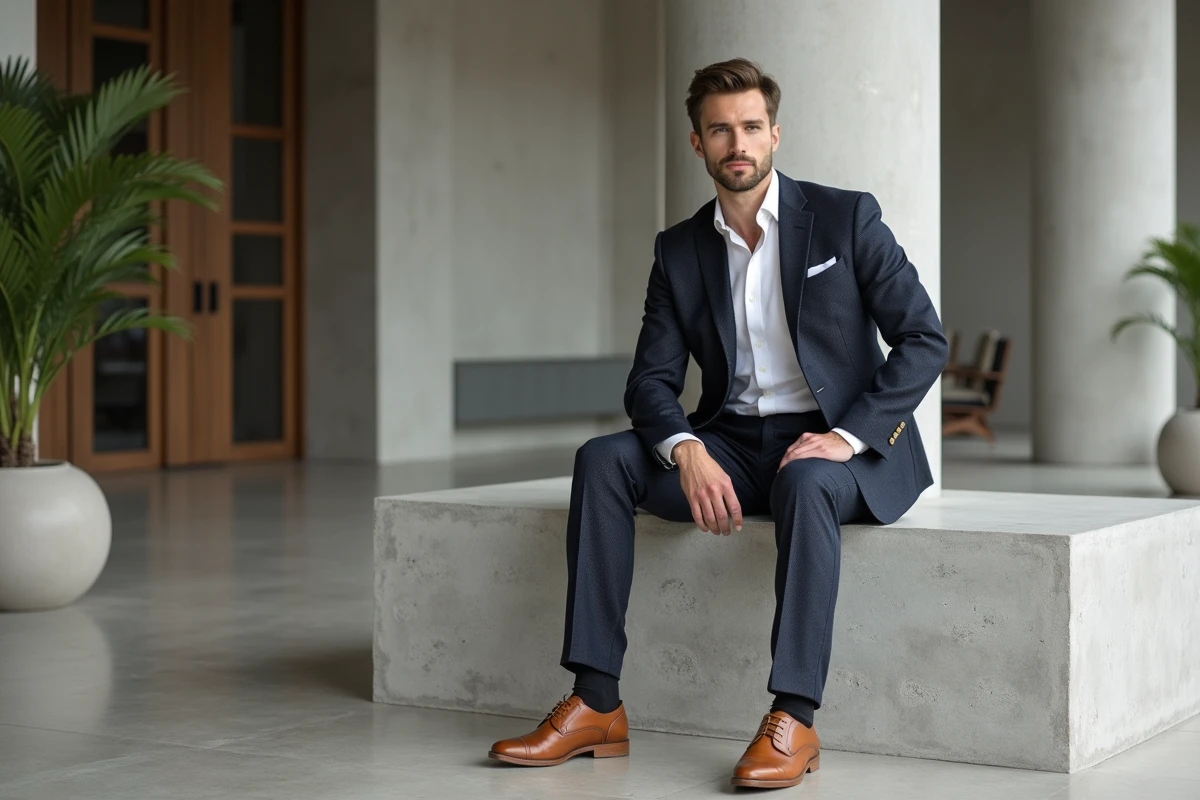
During the Paris and Milan Fashion Weeks of spring 2026, stylists and hairdressers reported a rise in requests for hybrid quiet luxury looks with streetwear, according to British Vogue (March 2026). The phenomenon goes beyond a mere fashion trend.
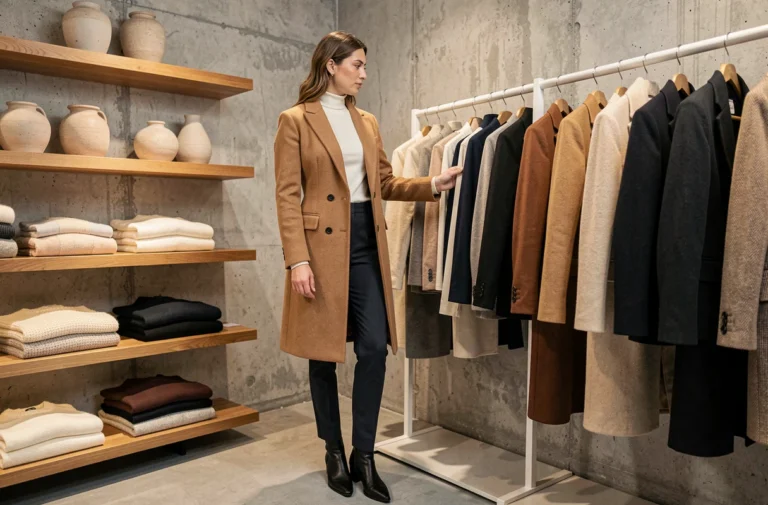
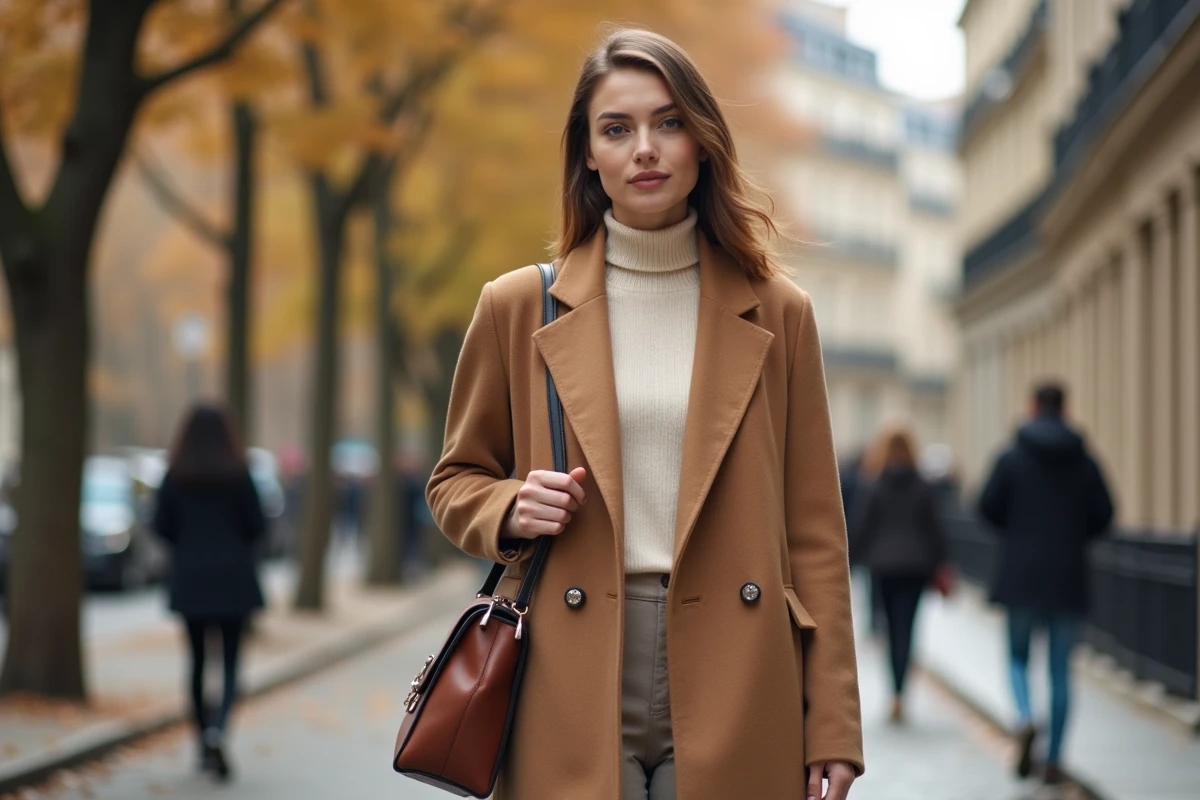
Quiet luxury relies on noble materials, neutral colors, and an absence of visible logos. Streetwear brings generous volumes, technical sneakers, and layering. Merging the two results in outfits where loose linen pants are paired with a structured sweatshirt, and a short jacket without apparent branding is worn over cargo pants.
What This Trend Implies in Terms of Cuts
The WGSN report “Fashion Futures 2026-2027” (January 2026) confirms the return of oversized silhouettes inspired by the 2010s in response to the decline of slim cuts. Post-pandemic comfort remains a lasting purchasing driver, not a passing phase.
Dropping shoulders, unmarked waists, and mid-calf lengths are found in both accessible collections and luxury. This convergence simplifies the wardrobe, but it raises a rarely addressed question: do these cuts work for all body types?
Adapting Fashion Trends to Body Types Beyond Standard Sizes
Most trend guides present their looks on standardized silhouettes. Field feedback diverges on this point: an oversized cut that “hangs well” on a model who is 1.76 m tall does not produce the same effect on someone measuring 1.60 m or wearing a size 48.
Paradoxically, oversized can be more inclusive than slim, provided a few parameters are adjusted. Here are the concrete points to check before adopting the season’s key pieces:
- The top/bottom ratio: a very loose top works better with a more fitted bottom (or vice versa) to avoid losing all visual structure, regardless of the size worn
- The length of sleeves and hems: on a smaller or rounder silhouette, sleeves that are too long or a hem that falls below the knee can overwhelm the figure instead of elongating it
- The choice of materials: a rigid fabric (thick denim, gabardine) maintains the shape of the oversized cut, while a soft fabric (fine viscose, lightweight jersey) hugs the body and negates the desired effect
- Colors and prints: quiet luxury favors neutral tones, which simplifies combinations for body types seeking visual coherence without color blocking
Adapting a trend to one’s body type does not mean diluting it, but rather choosing the version of the piece that corresponds to one’s proportions. A barrel-cut jean tailored to the right length, a short jacket fitted at the shoulders rather than chosen “one size up”: these details change the final result.
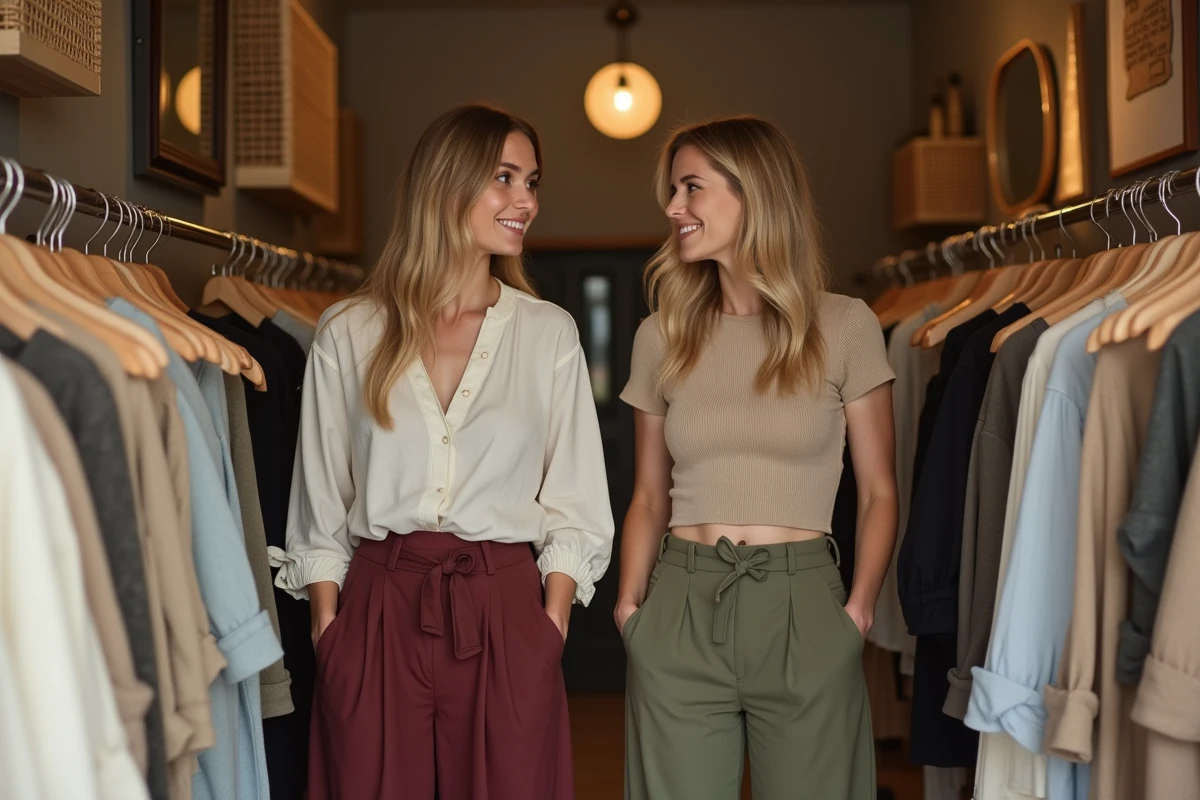
The Issue of Extended Size Offerings
Brands offering trendy collections in extended sizes (beyond size 46) remain a minority in the mid-range segment. Specialized “plus size” brands often provide basics, rarely the most current pieces of the season.
The hybrid quiet luxury-streetwear style could change the game. Generous volumes better tolerate variations in body types, and the structured materials used in this register (thick cotton, heavy denim, ribbed knit) offer better support on non-standardized bodies than the fluid fabrics typically offered in plus sizes.
Colors and Materials of the Season: Choosing Knowledgeably
Butter yellow, terracotta tones, and off-whites dominate the spring-summer 2026 collections. These colors fit within the quiet luxury palette and combine easily with one another.
In terms of materials, the regulatory constraint on microplastics is pushing brands towards linen, organic cotton, and predominantly natural blends. Pieces made from natural fibers will retain their compliance after July 2026, giving them a practical advantage beyond the ecological argument.
Prints remain discreet this season. Fine stripes, tone-on-tone patterns, and visible textures (crumpled linen, textured cotton) replace the graphic prints of previous seasons. This choice favors the longevity of the garment in the wardrobe: a piece without a marked print can be more easily restocked from one year to the next.
Spring-summer 2026 is characterized by this convergence between textile regulation, the return of generous volumes, and the demand for a style that is both discreet and assertive. The sustainability of these trends beyond the season remains open, but the French regulatory framework on microplastics is here to stay.