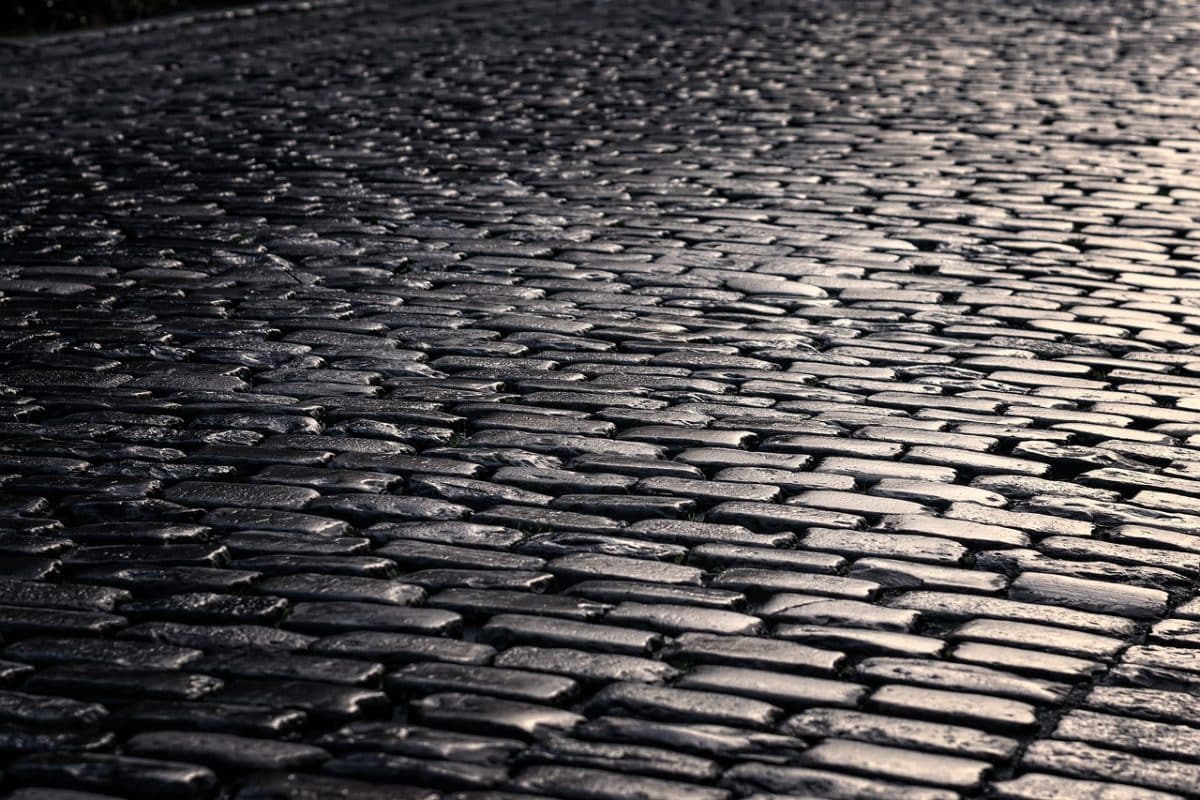
The paver, this small block of stone or concrete, has a rich history and multiple uses. Whether used for the cobbled streets of historic centers, garden paths, or modern public spaces, the paver is ubiquitous in urban planning and landscape architecture. Its apparent simplicity hides a complexity of shapes, materials, and laying techniques.
Origin and History of the Paver
The paver has a millennia-old history, dating back to Antiquity. The first pavers were used in ancient civilizations to facilitate movement. They were often made of cut natural stones arranged to create durable pathways.
During the Roman Empire, the paver experienced considerable growth. The Romans, masters in the art of road construction, used advanced techniques for laying stone pavers. These paved roads, called viae, allowed for the rapid transport of troops and goods across the Empire.
In the Middle Ages, the use of pavers spread throughout Europe. The streets of medieval towns were often paved to improve hygiene and safety. The pavers were then laid by hand, a laborious but essential task for urban development.
Materials Used for Pavers
Pavers can be made from various materials, each with its own characteristics and advantages. The main materials used today are:
- Natural Stone: Granite, sandstone, and limestone are among the most commonly used stones. Natural stone is prized for its durability and timeless aesthetic.
- Concrete: Concrete pavers are popular due to their low cost and ease of manufacturing. They can be molded into a variety of shapes and colors.
- Recycled Glass: Although less common, recycled glass pavers are gaining popularity for their unique appearance and reflective properties. They are often used in innovative outdoor decoration projects.
Paving Techniques
The laying of pavers is an art in itself, requiring careful soil preparation and precise block arrangement. The laying techniques vary depending on the type of paver and the intended application.
- Sand Setting: Commonly used for paths and patios, this method involves laying the pavers on a layer of compacted sand. The sand allows for some flexibility and facilitates drainage.
- Mortar Setting: For applications requiring high stability, pavers can be fixed with mortar. This technique is often used for curbs and sidewalks.
- Honeycomb Setting: An innovative method where pavers are inserted into a plastic honeycomb structure. This technique offers great stability while allowing water drainage.
Maintenance and Durability of Pavers
Maintaining pavers is essential to ensure their longevity and appearance. Although the durability of pavers is one of their major assets, regular maintenance helps prevent premature wear and keeps their shine.
It is recommended to clean the pavers regularly to remove debris and dirt. High-pressure cleaning can be effective, but it should be used with caution to avoid damaging the joints.
The joints between the pavers should be inspected and repaired if necessary. Polymer sand can be used to fill the joints and prevent weed growth. Finally, applying a sealant can protect the pavers from stains and erosion.
The paver, with its timeless charm and versatility, continues to play a central role in urban and landscape design. Whether for historic streets, modern gardens, or public spaces, it offers a durable and aesthetic solution. By understanding its history, materials, laying techniques, and maintenance, one can fully appreciate this small block that has managed to withstand the ages. The paver remains, without a doubt, an essential element of our built environment.