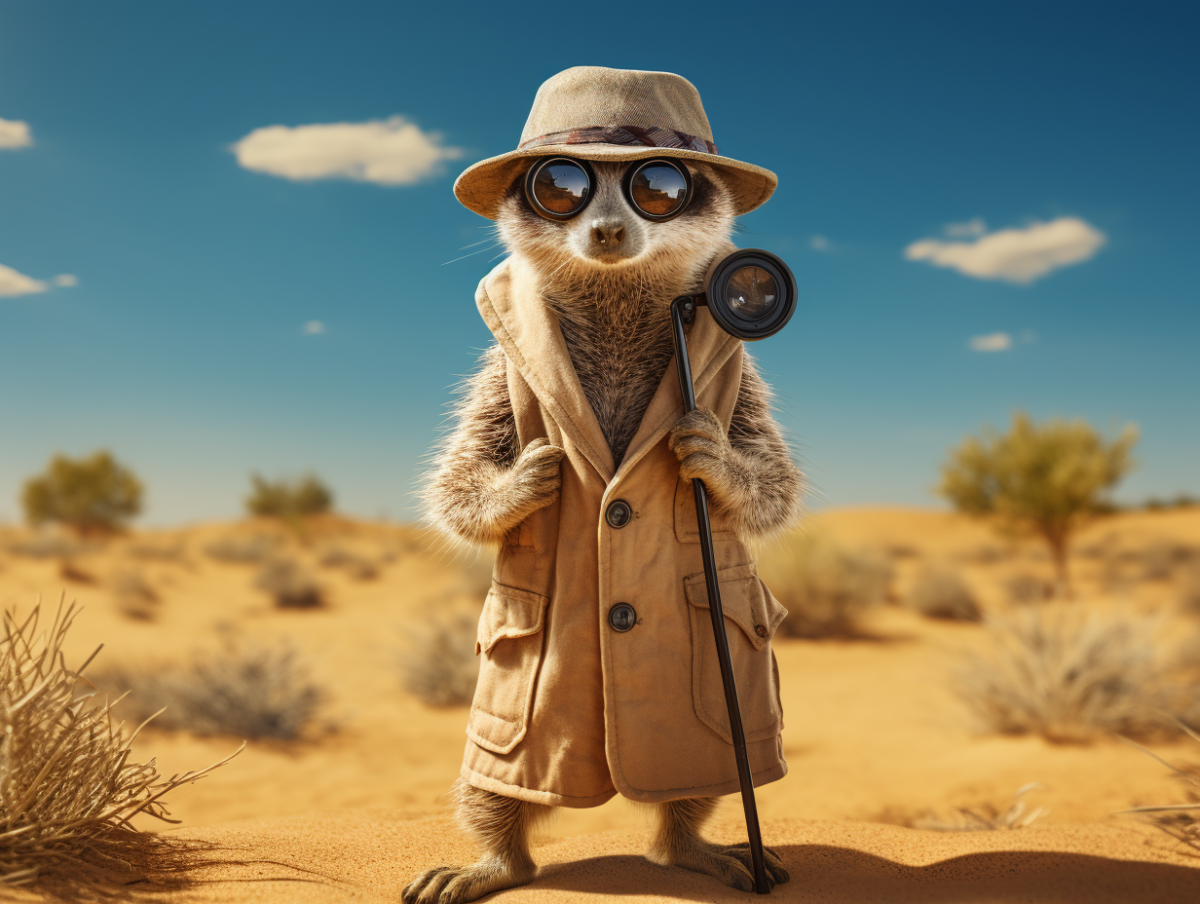
Cartoon characters have often captured the collective imagination, but few know their unsuspected animal origins. Behind every smile and adventure lie real species, sometimes endangered, that have inspired creators and animators to bring these cultural icons to life. By exploring the roots of these beloved characters, we uncover not only fascinating anecdotes about the genesis of these creations but also a mirror of global biodiversity. These fictional heroes carry within them the legacy of their wildlife cousins, reminding us of the importance of preserving nature and the beings that inhabit it.
The real inspirations behind animated characters
Cartoon characters, these creatures that populate our screens and imaginations, are much more than mere figments of animators’ minds. Take, for example, the animated film Madagascar, produced by Dreamworks. The central characters, such as Alex and Marty, embody animals with vibrant personalities, but they also reflect deep cultural references.
When we look at the character of Alex, it is clear that his scene, where he builds a statue of Liberty out of sushi, goes beyond a simple visual gag; it alludes to the memorable solitude of Wilson, the volleyball, the imaginary companion of Tom Hanks in Cast Away. Similarly, when Marty dances cheekily to Stayin’ Alive, it is reminiscent of the moves of Tony Manero, played by Travolta in Saturday Night Fever.
But what about the penguins of Madagascar, characters that are both comedic and strategic, who take control of the cruise ship and quote Hamlet, the timeless work of Shakespeare? This demonstrates a desire to connect the world of animation with that of classic literature, thus offering an additional dimension to the appreciation of these animated figures.
And regarding T’choupi, the iconic figure of the children’s universe, what animal is represented by T’choupi? Although he does not have the international aura of a Dreamworks film, this character is also the result of animal inspiration, embodying the tenderness and innocence of childhood through features reminiscent of a young penguin or an anthropomorphic chick, symbols of sweetness and curiosity. This illustrates the power of animation to transcend the barriers between species, creating deep emotional connections with the audience.

The anecdotes and creation secrets of cartoon characters
Behind every cartoon character lies a constellation of inspirations, stories, and cultural references that shape their identity. Alex from the film Madagascar is not just a lost New York lion; he is also a vehicle for subtle cinematic nods. The character, voiced by actor Ben Stiller, adopts a now-iconic pose from his character Derek Zoolander, in a memorable scene where his narcissism competes with his innocence. Consider the significance of these references: they are not limited to pure entertainment but establish bridges between the world of cinema and that of animation.
The Dreamworks studio, in particular, excels in the art of weaving intertextual links between its creations. The most striking example is the scene where Alex, confronted with his wild instinct, hears the iconic music from National Geographic documentaries, signaling the tension between his animal nature and his domesticated personality. This seemingly trivial detail reveals the care taken by animators to infuse psychological depth into the characters, a reference that will resonate differently with discerning viewers.
The song Stayin’ Alive, performed by the Bee Gees, has become synonymous with disco and movement in the collective imagination, particularly thanks to Saturday Night Fever. Its use in Madagascar to accompany Marty’s dance steps is therefore far from coincidental. It evokes a whole aspect of popular culture, reinforcing Marty’s identity while offering a particular resonance to adults who will share this moment with younger audiences. This kind of detail, which may escape an untrained eye, is nonetheless essential in constructing the universe of animated characters, endowing scenes with a semantic richness that transcends the realm of simple animation.