Some accessories withstand the test of time without losing their utility, while so many others go out of style or succumb to the onslaught of the sun. Wooden screens, long supplanted by plastic or aluminum, prove their worth over the long term: they protect against intense radiation and preserve glazed areas, season after season.
Recent studies on the longevity of passive equipment confirm this: a well-designed system reduces maintenance and prolongs the condition of the glazing. In the field, testimonials abound: a remarkable decrease in the use of mechanical ventilation, a reduction in treatments to maintain the clarity of windows, and above all, a thermal stability appreciated by both plants and those who enjoy them.
Why greenhouses and conservatories need natural protection from the sun
In the greenhouse or under the conservatory, excessive sunlight is unforgiving. Without a filter, light passes through glass or polycarbonate and accelerates the greenhouse effect: rising temperatures, burning plants, condensation dripping. It is impossible to achieve vibrant citrus fruits or vigorous seedlings without softened light. Delicate species, orchids, vegetable seedlings, potted roses, require measured protection to grow without suffering from heat.
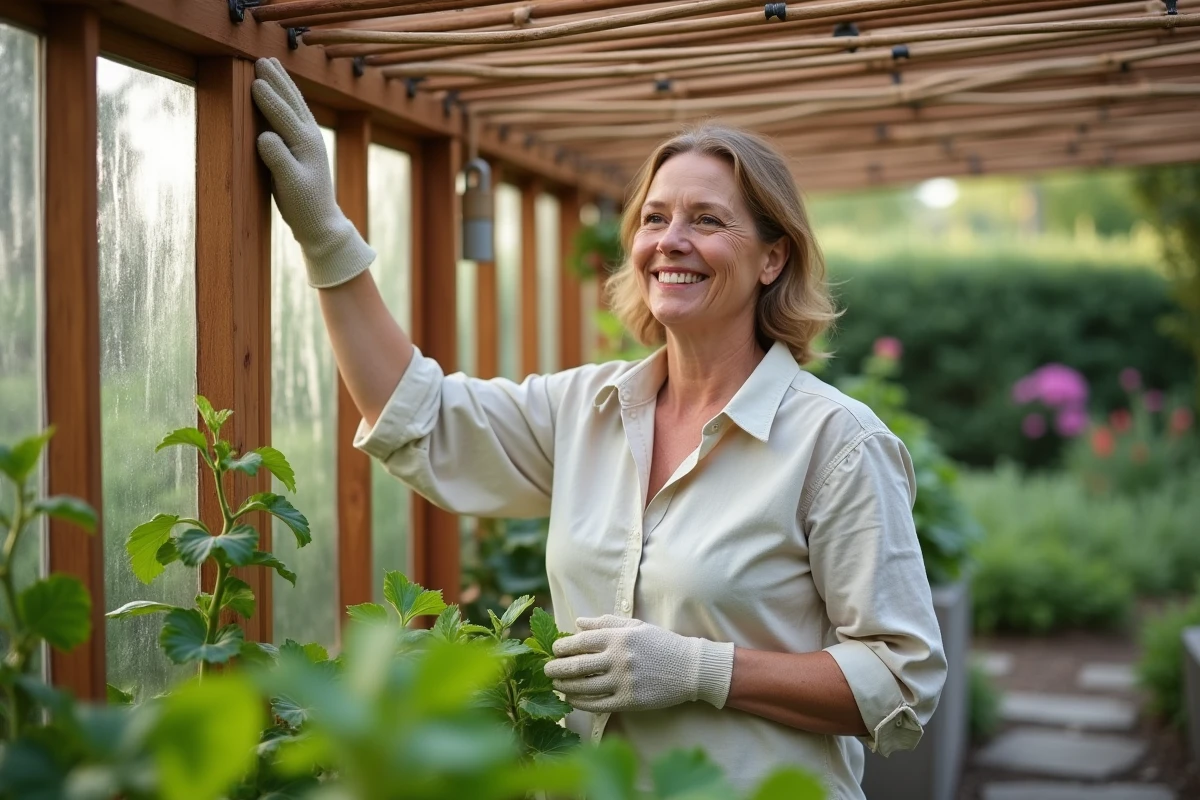
Installing wooden screens changes the game: they filter light, cool the air by a few degrees, and maintain soil moisture. The life of the glazing is preserved, and wooden frames age better, away from the cracks caused by direct exposure. This technique, proven over generations, stands out for its reliability and natural integration into the garden decor.
For those seeking a balance between elegance, robustness, and efficiency, Agri Systems wooden screens offer models suited to every need. Their ease of installation and adaptability appeal to both owners of old orangeries and those of modern conservatories. The result: a protected, comfortable, and durable space where light becomes an asset rather than a risk.
Wooden screens: how do they work to shade and preserve your glazed areas?
The strength of wooden screens lies first in their unembellished yet fully modular design. Most often made of pine, sometimes of ThermoWood or treated wood, they consist of thin slats, carefully spaced to allow just the right amount of light to pass through. Standard dimensions, 5 x 23 mm or 7 x 23 mm, ensure effective filtering without weighing down the structure. The whole is held together by galvanized steel hooks and rings, chosen for their resistance to corrosion.
The true flexibility of these devices lies in their custom manufacturing. Widths up to 2.40 meters, variable lengths as desired, shapes adapted to sloped or rounded roofs, integration of openings for ventilation: every detail can be adjusted. Roll models can be installed in a few movements, while those equipped with pulleys and ropes allow for shading to be modulated over the hours or seasons.
Here are the main technical advantages of wooden screens to keep in mind before making your choice:
- Lightweight and maneuverable: with 2 to 3 kg per square meter, installation remains accessible to everyone.
- Quick installation: pre-cut hooks and rings facilitate setup, even on large surfaces.
- Great customization possibilities: special formats and shapes, adaptation to the geometry of each roof.
Thanks to their perforated structure, these screens temper radiation and limit overheating without plunging the greenhouse into total darkness. They preserve the balance of the microclimate, reduce plant stress, and push back the tedious maintenance of windows. The thoughtful choice of wood species and the quality of accessories ensure impeccable durability, year after year.
Sustainable and aesthetic solutions for optimal comfort all year round
Combining raw wood with suitable treatments gives rise to protections that withstand the seasons and the elements. Several options are available for those seeking a reliable and aesthetic solution: untreated wood for its natural warmth, ThermoWood for unmatched stability and better insect resistance, or water-repellent treatments for the most exposed areas. Lacquered finishes, in white or green, find their place on both contemporary conservatories and atop period greenhouses.
The lifespan of wooden screens is not a vague promise: with regular maintenance, annual dusting, checking of attachments, and applying a protective treatment every two to three years, they remain effective well beyond ten years. For mobile models, storing them away during the bad season is enough to prolong their youth.
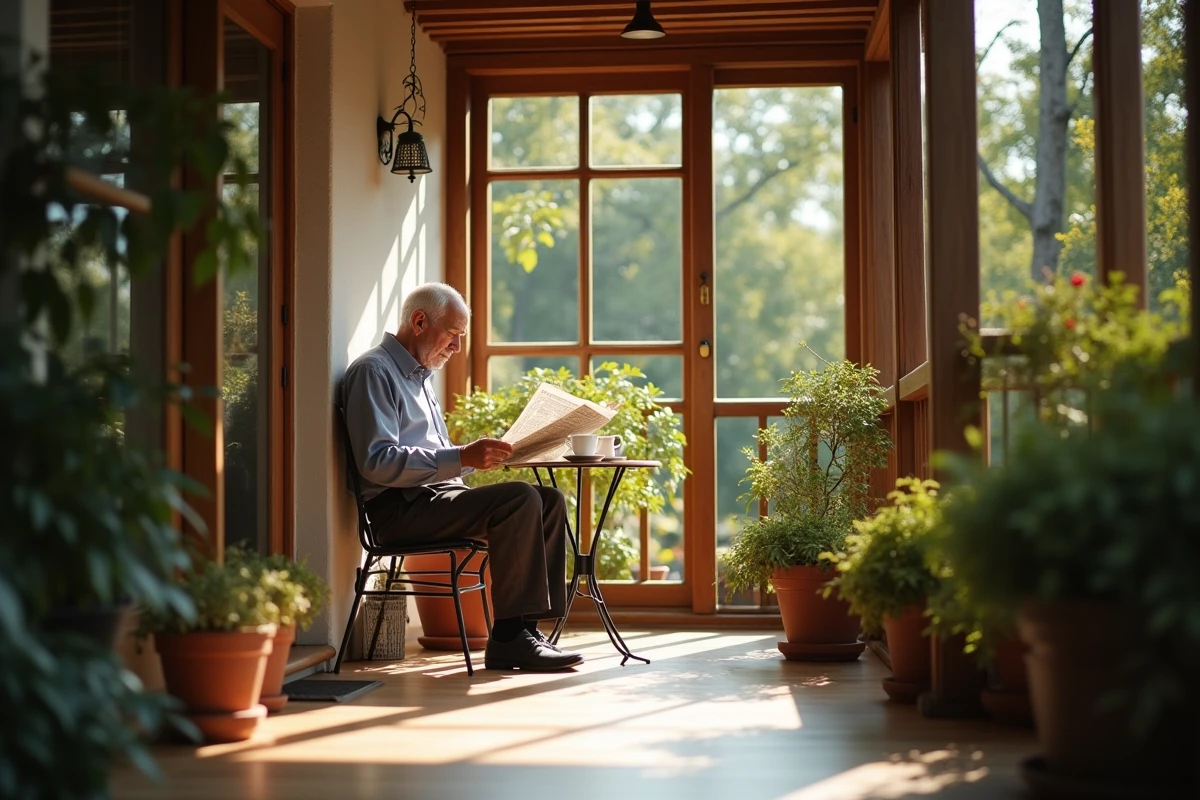
Choosing this living material, whether raw or treated, is not just about betting on performance. It’s about opting for a unique atmosphere: soft light, controlled shading, subtle integration into the landscape. Wooden screens transform the greenhouse or conservatory into a special space, pleasant to live in and environmentally friendly. The art of combining the useful with the enjoyable, without ever sacrificing visual pleasure or the health of the plants.